Pages

Tuesday, 16 January 2018

Summer Learning - 16-01-18

Summer Learning Journey 2018

Day Twelve: Peace Out! (The 1960s)
16-01-18


Image result for the flashActivity 1: The Dawn of Television
The 60's saw a huge change over New Zealand. Technology was evolving, and the television was introduced for the first time. The most popular programs at the time were 'Town and Around' and 'C'mon'.

My favourite T.V show at the moment is 'The Flash'. It is about a man who is struck by lightning and becomes the fastest man alive. The show navigates his life with his friends and family, saving his city from meta-humans (humans affected by an explosion that gave them powers). The show is currently on its fourth season, and airs on Duke.


Activity 2: Rock'n'Roll
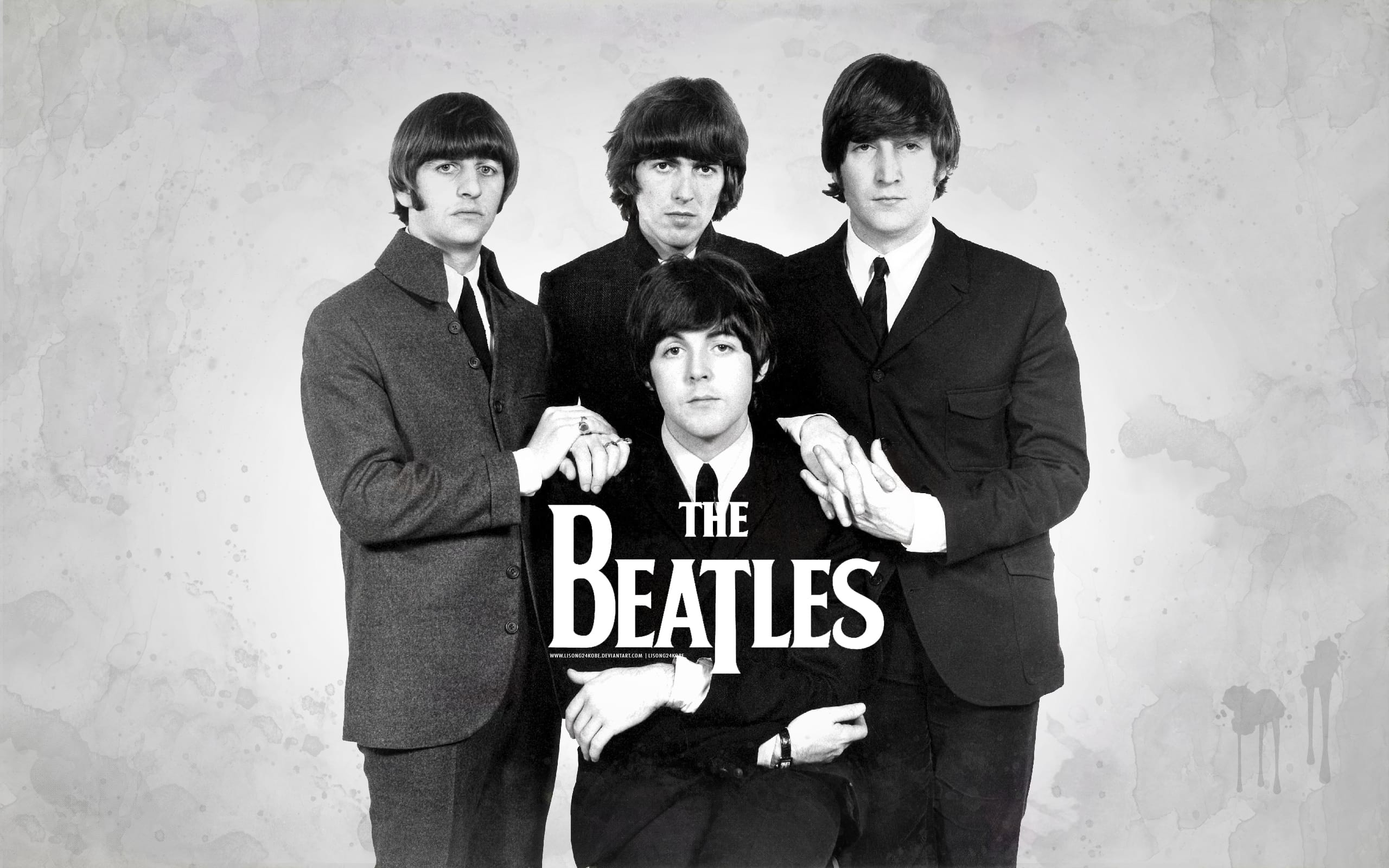
Bands starting touring around the world, and in 1964 a very famous band called The Beatles came to New Zealand. The country was really excited to host the young men, and the hype was called Beatle-Mania.

Three facts about The Beatles:
    Image result for the beatles
  • Two members of the band had family in New Zealand that they visited while on tour here. John Lennon had second cousins in Levin, and Ringo Starr had some family in Karori, a suburb in Wellington.
  • The band were extremely popular, especially among teenage girls, who broke down fences and tried to break into the hotel they were staying in.
  • They were nice guys who were respectful to their fans, and when some girls raced into the hotel they were kind to them and stayed to chat.

Bonus Activity: The Three R's (Rugby, Racing, and Running)
In the 60's, sport was very much dominated by rugby, racing, and running. Over the decade, New Zealands national rugby team the All Blacks won 36 out of 40 games. In 1960, Peter Snell won a gold medal in the 800m race at the Rome Olympics. In the next Olympics, he won two golds in 800m and 1500m races.


Monday, 15 January 2018

Summer Learning - 15-01-18

Summer Learning Journey 2018

Week Three: The Post War Era (1951-1999)

Day Eleven: White Picket Fences (The 1950s)
15-01-18

Image result for meat and three vegActivity 1: Meat and Three Veg
During the 1950s, women mostly stayed home and looked after the children. Many women cooked dinners with a special 'meat and three veg' rule, where dinner consisted of a piece of meat and three different vegetables.

I think the meat and three veg rule is a good rule, as it would lead to a healthy and balanced diet. A lot of the meals I have with my family consist of one type of meat and a few veggies, so I would enjoy having these meals most of the week, but I also enjoy the occasional less healthy options.


Activity 2: What's in a Name?
Over the 50s, New Zealand's population grew by 400,000 people. This time period is sometimes referred to as the baby bloom, because so many babies were born.
Some popular names at the time were:
Girls
Boys
Christine
Susan
Margaret
Judith
Jennifer
John
David
Peter
Michael
Robert

These names aren't particularly popular at my school, and I don't personally know of anyone at school with any of these names. Some names that are currently popular at my school are: Sophie, Michaela (also spelt Mackayla, and Mickayla), Danielle, Jordan, Jack, and Junior.


Bonus Activity: Snail Mail
In the 50's, the most common method of communication was letter writing. Between 1950 and 1960, over 200 million letters and postcards were sent from New Zealanders.

Here is a postcard I have made:
I have chosen to put Aotearoa instead of New Zealand as it is the Maori name for NZ, and Maori is part of our country's culture. I have included pictures of a pavlova, L&P, and chocolate fish as they are some of New Zealand's own foods and drink. I have included pictures of some scenery as New Zealand is known for its pretty views. Barbecuing is very popular, the kiwi is one of New Zealand's native birds, and our flag is an important part of our history.

Friday, 12 January 2018

Summer Learning - 12-01-18

Summer Learning Journey 2018

Day Ten: Coming to an End
12-01-18

Activity 1: VE Day!
World War Two had finally come to its conclusion in 1945, after six years of violence. In Europe, and especially New Zealand, huge parties were thrown to celebrate VE Day (Victory in Europe).

Image result for kiwiana barbecueIf I were to throw a VE Party, it would include:

  • A big backyard barbecue with my family and friends
  • As well as traditional bbq food, we would also have Kiwiana food including: sausage rolls, fish'n'chips, lamb, paua, crayfish, and oysters.
  • Some kiwi sweet treats including pavlova, chocolate fish, pineapple lumps, and hokey pokey ice cream.
  • Playing some backyard cricket and shooting some hoops.
  • Swimming in the pool.


Activity 2: Making a Fashion Statement
After the war was over, thing starting returning to normal in New Zealand. When soldiers had come home and settled back in, regular life had returned and national sports teams starting playing again, including the cricket team. Men and woman would dress up and go to watch these games.

The clothing worn back then was quite different to the clothing we wear now. Back in the 40's, fashion was quite formal with bland colours, and woman wore dresses, hats, and gloves, while men wore suits and hats. Now, there is much more of a variety in clothing choice, with ranges from comfy sweatpants, jeans, and hoodies, to fancy gowns and suits. Clothing is much more colourful and vibrant now. Although I like the vintage, fancy clothes from the past, I like being able to be comfortable in today's clothes.

   Image result for womens fashion 2017

   Image result for childrens fashion 2017


Bonus Activity: Sweet Tooth
When the war ended, many families from Europe moved to New Zealand for a calmer and safer environment. They brought with them many new foods and recipes, including pizza, hamburgers, and many more.

My favourite sweet treats are orange chocolate chip muffins.
Here is a recipe:

Makes: 12 muffins
Prep Time: 10 minutes
Orange chocolate chip muffinsBake Time: 20 minutes

Ingredients

  • 2 cups flour
  • 1 tablespoon baking powder
  • 1/2 teaspoon salt
  • 2 eggs
  • 1/2 cup milk
  • 1/2 cup orange juice
  • 1/2 cup sugar
  • 1/4 cup vegetable oil
  • 1 tablespoon grated orange zest
  • 3/4 cup mini-chocolate chips
Directions

1. Heat oven to 200 degrees C. Coat the bottoms of 12 muffin cups or line with muffin-cup liners.
2. In a large bowl, whisk together flour, baking powder, and salt.
3. In a medium sized bowl, whisk eggs, milk, juice, sugar, oil and zest, and stir in 1/2 cup of the chips. Make a well in the flour mixture, then pour in egg mixture. Stir until dry ingredients are just moistened.
4. Spoon 1/4 cup of batter into each muffin cup. Sprinkle the remaining chips on top. Bake in a 200 degree oven for 20 minutes or until toothpick comes out clean.
5. Remove pans to wire rack to cool for 5 minutes. Remove muffins from pan and cool completely on wire rack.

Thursday, 11 January 2018

Summer Learning - 11-01-18

Summer Learning Journey 2018

Day Nine: Another World War (1939 - 1945)
11-01-18

Activity 1: An Eventful Experience
There was a long timeline of events during WWII.

Two major events were:
  • The 'Allies' (New Zealand, Australia, France, and Britain) gave Germany a deadline, asking them to retreat from Poland after days of killing and injuring the Polish. They didn't meet the deadline, so British Prime Minister Neville Chamberlain officially announced on September 3rd, 1939 that Britain and the Allies were now at war with Germany.
    Image result for nazis surrender
  • In the Spring of 1945, the Allies and the Soviets were closing in on Berlin. Hitler, knowing that he was close to defeat, comitted suicide, leaving Karl Donitz to surrender on behalf of the Nazi's in Reims, France. May the 2nd was the day the Soviets invaded and conquered Berlin. As Berlin was conquered, the Nazi's would have no leaverage in their surrender. On May the 7th, Donitz unconditionally surrendered to the Allies, and on the 8th, the formalities were completed. May the 8th is a public holidays in some countries in Europe, known as V-E Day (Victory In Europe).

Activity 2: A Call to Arms
During WWII, over 140,000 soldiers from New Zealand were sent to fight overseas. 22 New Zealanders have been awarded a Victoria's Cross, which is a special honor presented by the New Zealand government for bravery.

Image result for charles upham vc
Charles Upham, is one of only three soldiers in New Zealand to win the Victoria's Cross twice. The first was awarded on October 14th 1941 in Crete, Greece, and the second on September 26th 1945 in Ruweisat Bridge, Egypt. He was wounded numerous times, and captured by the Nazi's. In his many escape attempts, he was New Zealand's only combat solider sent to the infamous Colditz camp in 1944.


Bonus Activity: Women at Work
Image result for nurses on ships in wwIIWomen also went overseas to work during the war, most commonly as nurses. Many nurses were stationed on large ships near countries at war.

One day you are walking along the deck of the ship when you hear a loud bang. You start to run as you see smoke coming from the far end of the ship. You run towards the room where your patients are waiting to receive treatment from the doctor. Just as you arrive at the door to their room you hear another loud bang and you...
are greeted with a room full of panicked patients. "We're going to die!" Screams one young man. "They're coming for us!" Cries another. One of the other nurses and my close friend, Josie, rushes towards me, her face a picture of fear. "They're bombing us!" She informs me, bursting into tears. We had been very lucky with the placement of our ship, well until now... All around us were soldiers with their game faces on. They were going to do all they could to protect us, that's why they are here. We just needed to stay calm. I raced around the room, personally having a chat with and calming all my patients. When I was sure they were all secure, I gave Josie a hug and whispered "Thank you", and diligently dashed out the door. I wasn't going to hide away in a room, just because I am a woman doesn't mean I can't fight for my freedom. Nazi's were everywhere, shooting men, smashing supplies, and grabbing and taking away nurses and patients. I ran to the back of the ship and started pulling away the captured nurses and patients into the back room. After a long and vicious battle between us Allies and the Nazi's, the Nazi's left with a few prisoners that I couldn't save. Most of our soldiers had fallen, and the ones remaining were critically injured. "We're off to France!" Called the captain, pulling the ship out into the ocean. There was going to be a long night ahead...

Wednesday, 10 January 2018

Summer Learning - 10-01-18

Summer Learning Journey 2018
Image result for music
Day Eight: The Great Depression (The 1930's)
10-01-18

Activity 1: Dealing with Stress
Image result for booksThe 30's is when the Great Depression hit America and the world. In New Zealand many people lost their jobs, and predictions have been made that 30% of the population was unemployed. Stress was a big part of most families lives.

I like to relax by reading a book I've either read before and enjoyed, or a new book I find that looks interesting. I also like to go for a quick run to clear my head and de-stress. Listening to happy or calming music can make me feel better, as can watching one of my favourite movies.


Activity 2: Offering a Helping Hand
During the Great Depression it was really hard for people to find work. For families living in the Great Plains of America, farmers didn't have enough money to buy life's necessities as there was a huge drought that lasted the whole period and destroyed most crops.
Image result for fundraising
Some ways I would've helped fund raise for those families:

  • Bake sales, sausage sizzles, chocolate wheel
  • Skipathon, danceathon, sponsered walk/run
  • Car boot sale, fair, book sale


Bonus Activity: Paying it Forward
Image result for pineapple lumps
Near the end of the decade, things were looking up. Jobs were becoming easier to find, and money problems were less of an issue. Though there was now enough to buy necessities, there still wasn't enough for treats and gifts.

If I could travel back in time to the struggling families of the 30's, I would bring back with me:
  • Toys for the children
  • Clothes
  • Fancy soaps and shower gels
  • Kiwi themed chocolate: pineapple lumps, chocolate fish, Whittakers L&P

Tuesday, 9 January 2018

Summer Learning - 09-01-18

Summer Learning Journey 2018

Day Seven: The Roaring 20's (The 1920's)
09-01-18

Activity 1: Popular Culture - The Silent Movie
In the 20's, going to the movies became a much more popular activity. The Civic Theater in Auckland and the Empire De Luxe in Dunedin were two huge theaters built. The most popular types of movies in New Zealand at the time were silent movies.
Image result for charlie chaplin the lions cage
One iconic silent movie is 'The Lion's Cage'.
Trailer - https://www.youtube.com/watch?v=mpjEyBKSfJQ
By watching this scene,  I think this movie is about a man in a circus. In this scene, he is trapped in a cage with a lion, and he tries to get the attention of a woman walking past, and when she sees him and the lion she faints. In the end she wakes up and lets him out of the cage.
Because there are no spoken words, actors rely on facial expressions and body language to tell the story. This makes silent films more exciting in that aspect. I think I would enjoy watching a few silent movies as they are a part of history and are pretty cool, but I would prefer going back to normal movies, as I have grown up watching them and they tell the story a bit better.


Activity 2: Art Deco
In the 20's in New Zealand and around the world, 'Art Deco' emerged.

Here is an example: 'Self Portrait', by Tamara de Lempicka.

I give this painting a rating of 3.5 out of 5 (an okay to good painting).
I have given it this rating as I think it is a nice painting, a mix between modern and vintage. It isn't exactly to my taste, but it is a good painting none the less.


Bonus Activity: Crossing the Tasman
In 1928, four men flew from Australia to New Zealand across the Tasman. This was the first time the trip had ever been made. One of the men was a New Zealander named T.H. McWilliams, who operated the radio. The radio stopped working after take off, then rain and ice completely covered the front windscreen, making it impossible for the pilot to see. Fortunately, they landed safely in Christchurch after flying for four hours.

Acrostic poem about finally getting home and seeing my family:
Home is a haven in the shape of a house,
Only my will to get home made my bravery a lion not a mouse,
My heart soared when I saw that big blue door,
Experiencing your love, I know I could never be poor.

Monday, 8 January 2018

Summer Learning - 08-01-18

Summer Learning Journey 2018
Image result for st joseph's cathedral dunedin
Week Two: A Period of Change (1870 - 1950)

Day Six: The Early Years (Late 1800's to 1919)
08-01-18

Activity 1: St Joseph's Cathedral
At the start of the 1900's, the British were initiating a ton of construction. They were building homes and community meeting places. One of the largest buildings made during this time was St Joseph's Cathedral in Dunedin.

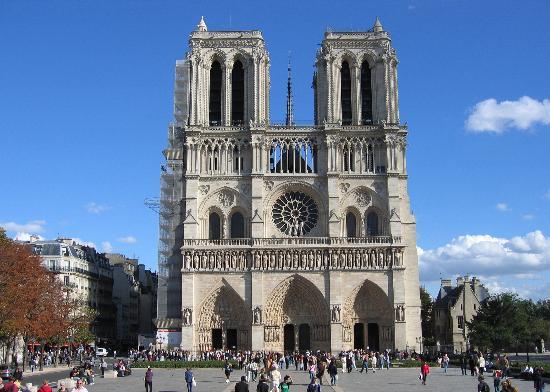
The Notre Dame is another famous cathedral.
Image result for Notre Dame

The full name of this cathedral is Notre-Dame de Paris.
It is located  on the Île de la Cité in Paris, France.
The build started in 1163 and took over 200 years, and was finally opened in 1345.
The cathedral is 69m tall.


Activity 2: The Right to Vote
The first leader of New Zealand's government was Richard John Seddon, who led from 1893 to 1906 and was the leader of the Liberal Party. Women were not allowed to vote until a woman named Kate Sheppard led a suffragist movement. The Electoral Act passed on the 19th of September 1893, giving women the vote. New Zealand was the first country in the world to give women the vote, and many countries still didn't allow women to vote until very recently, including Saudi Arabia.

I believe that the fact that Saudi Arabian women weren't allowed to vote until 2015 is very unfair. Women are just as equal as men, and should be treated that way. Unfortunately, in Saudi Arabia women's rights are very poor. Women aren't allowed to drive, dress the way they want, or travel, and they cannot do simple things like open a bank account  without a mans permission, and they are forbidden to leave home without a mans company. These rules need to change quickly so women can live the life they are supposed to live.


Bonus Activity: In Flanders Fields
A the beginning of the 19th century, New Zealand was at peace. Well, until World War I broke out in Europe and claimed the lives of 18,000 New Zealanders. Each year, on the 25th of April, we use ANZAC Day to remember the brave men and women who fought for our freedom.

The poem 'In Flanders Fields' by John McCrae is widely known.

In Flanders fields the poppies blow
Between the crosses, row on row,
Image result for poppies in flanders fields    That mark our place; and in the sky
    The larks, still bravely singing, fly
Scarce heard amid the guns below.

We are the Dead. Short days ago
We lived, felt dawn, saw sunset glow,
    Loved and were loved, and now we lie,
        In Flanders fields.

Take up our quarrel with the foe:
To you from failing hands we throw
    The torch; be yours to hold it high.
    If ye break faith with us who die
We shall not sleep, though poppies grow
        In Flanders fields.

I really like this poem, and I believe it is a lovely way to honor the brave soldiers who fought for mine and New Zealand's freedom. It makes me feel that I can feel carefree and know that I am safe here in New Zealand. It makes me feel sad for the families of the lost, but also in a way proud as their loved ones saved us from war and destruction.